IT Operations Management A Comprehensive Guide A Deep Dive unveils the intricate world of managing IT infrastructure for optimal business performance. From defining core principles and KPIs to exploring tools, technologies, and best practices, this in-depth guide navigates the complexities of modern IT operations. Understanding the interconnectedness of people, processes, and technology is crucial for success, and this guide will provide a structured approach to achieving it.
This deep dive will also explore the nuanced differences between cloud, hybrid, and on-premises environments, highlighting the challenges and solutions for each.
This comprehensive guide provides a practical roadmap for anyone looking to improve their IT operations. We’ll cover everything from the foundational concepts to the cutting-edge technologies shaping the future of IT management. Prepare to gain actionable insights and equip yourself with the knowledge to optimize your IT infrastructure for enhanced productivity and resilience.
Introduction to IT Operations Management
IT Operations Management (ITOM) is the systematic process of planning, designing, implementing, and managing the IT infrastructure and services that support an organization’s business operations. This encompasses everything from servers and networks to applications and data security, ensuring these resources are reliable, efficient, and aligned with business goals. Effective ITOM is crucial for minimizing downtime, maximizing productivity, and ensuring the security of critical data.IT Operations Management is fundamentally about delivering and maintaining the digital backbone of any organization.
It requires a deep understanding of technology, a keen awareness of business needs, and a commitment to continuous improvement. Core functions include ensuring system availability, performance, security, and compliance. Successful ITOM programs focus on proactive problem resolution and continuous optimization, ultimately leading to a seamless and reliable user experience.
Core Principles of IT Operations Management
IT Operations Management relies on several key principles to ensure efficient and effective service delivery. These principles include proactive monitoring, rapid response to incidents, and a strong focus on user satisfaction. Organizations must establish clear service level agreements (SLAs) that define expectations and responsibilities.
Functions of IT Operations Management
IT Operations Management encompasses a wide range of functions, each critical to maintaining a healthy and productive IT environment. These include infrastructure management, application management, security management, and change management. These functions work together to ensure the smooth operation and security of the organization’s IT infrastructure.
Key Performance Indicators (KPIs) for IT Operations Management
Effective IT Operations Management relies on measuring performance against established KPIs. These KPIs track crucial aspects of IT operations, offering insights into efficiency, reliability, and security. Key metrics include service availability, response time to incidents, mean time to resolution (MTTR), and system uptime.
Types of IT Operations Management Tasks
Effective IT Operations Management necessitates a variety of tasks, each contributing to the overall health and performance of the IT infrastructure. A diverse set of tasks ensures comprehensive coverage and responsiveness to various demands.
| Task Category | Description |
|---|---|
| Incident Management | Responding to and resolving service disruptions. This includes identifying the problem, isolating the cause, implementing a solution, and verifying the resolution. |
| Problem Management | Identifying and preventing recurring incidents. This involves analyzing the root causes of incidents and implementing preventative measures to avoid future occurrences. |
| Change Management | Controlling and managing changes to IT systems. This involves evaluating the impact of changes, planning the implementation, and testing the changes before deploying them to production. |
| Configuration Management | Managing and tracking the configurations of IT systems. This includes maintaining accurate records of system configurations and ensuring consistency across the environment. |
| Capacity Management | Ensuring sufficient IT resources to meet current and future demands. This involves monitoring resource utilization, forecasting future needs, and planning for capacity expansion. |
The Importance of IT Operations Management
IT Operations Management (ITOM) isn’t just about keeping the lights on; it’s the engine that drives business success in today’s digital age. A well-oiled ITOM system ensures your company can adapt to changing market demands, deliver seamless customer experiences, and ultimately, achieve its strategic objectives. From streamlining internal processes to boosting efficiency and safeguarding sensitive data, ITOM plays a pivotal role in any organization’s overall performance.IT Operations Management is crucial for aligning IT infrastructure with business goals.
By effectively managing the entire IT lifecycle, from planning and deployment to maintenance and troubleshooting, organizations can ensure that technology supports, rather than hinders, their operations. This alignment translates directly into tangible business benefits, driving revenue growth and enhancing profitability.
The Role of ITOM in Achieving Business Objectives
IT Operations Management directly contributes to the achievement of business objectives by ensuring the reliability and availability of the IT infrastructure. This reliable infrastructure enables employees to work effectively, applications to function smoothly, and data to be accessed efficiently, all of which are essential for achieving business goals. By providing a robust and responsive IT environment, ITOM allows the business to focus on its core competencies and strategic initiatives, rather than being bogged down by IT issues.
Impact of Effective ITOM on Business Productivity
Effective IT Operations Management significantly impacts business productivity by minimizing downtime and maximizing resource utilization. A well-managed IT infrastructure ensures that applications and systems are available when needed, minimizing disruptions to workflows and enhancing employee productivity. Furthermore, efficient IT processes enable faster response times to business needs, leading to quicker turnaround times for projects and tasks, ultimately improving overall business productivity.
Significance of ITOM in Maintaining a Stable and Reliable IT Infrastructure
Maintaining a stable and reliable IT infrastructure is paramount for any organization. IT Operations Management plays a critical role in ensuring the integrity and security of this infrastructure. Proactive monitoring, efficient maintenance, and timely issue resolution are key aspects of ITOM that contribute to maintaining a robust IT environment. This stable infrastructure not only reduces downtime but also safeguards sensitive data, protecting the organization from potential security breaches and data loss.
The stability and reliability of IT infrastructure are crucial for maintaining business continuity and operational resilience in the face of unexpected events.
Comparing and Contrasting IT Operations Management Approaches
Different organizations adopt varying approaches to IT Operations Management, each with its own strengths and weaknesses. Some organizations favor a centralized approach, where a dedicated team manages all IT operations. Others adopt a decentralized model, empowering different departments to manage their specific IT needs. A hybrid approach, combining elements of both centralized and decentralized models, may also be implemented to achieve a balance between efficiency and flexibility.
- Centralized Approach: This approach provides greater control and standardization, but may be less responsive to specific departmental needs. It’s often better suited for large organizations with complex IT environments.
- Decentralized Approach: This approach allows for greater flexibility and responsiveness to specific departmental needs. However, it may lead to inconsistencies in processes and standards across different departments. It’s more suitable for smaller organizations with simpler IT infrastructures.
- Hybrid Approach: This approach combines the strengths of centralized and decentralized models, enabling organizations to tailor their IT operations management to their specific needs. This model often allows for a balance between standardization and responsiveness, which can be a good fit for organizations of various sizes and complexities.
Key Components of IT Operations Management
IT Operations Management (ITOM) is a critical function for any organization relying on technology. Effective ITOM ensures smooth and reliable operations, optimizing resource utilization and minimizing downtime. Robust ITOM frameworks address various aspects of IT infrastructure and services, from hardware and software to user experience and security. This section dives into the core components of a comprehensive ITOM strategy.IT Operations Management hinges on several interconnected components.
Each plays a distinct role in achieving optimal IT performance, and understanding their interplay is crucial for building a resilient and adaptable IT infrastructure. From infrastructure management to security protocols, these components ensure seamless operation and continuous improvement.
Infrastructure Management
Infrastructure management encompasses the physical and virtual components of an organization’s IT environment. This includes servers, storage, networks, and the underlying hardware. Effective infrastructure management ensures optimal performance, reliability, and security. Efficient allocation of resources, proactive maintenance, and rapid response to incidents are key aspects.
Service Management
Service management is the process of defining, delivering, and supporting IT services. This includes defining service levels, ensuring service availability, and addressing user needs. The service catalog, service level agreements (SLAs), and incident management systems are crucial components. This ensures users receive the right services at the right time, with a predictable and reliable experience.
Security Management, IT Operations Management A Comprehensive Guide A Deep Dive
Security management is the cornerstone of any successful IT operation. It involves protecting IT assets from unauthorized access, data breaches, and other security threats. This includes implementing security policies, access controls, and monitoring systems. Strong security measures safeguard sensitive data, maintain user trust, and protect the organization from reputational damage.
Change Management
Change management involves the systematic and controlled introduction of changes to the IT infrastructure and services. This includes evaluating the impact of changes, planning the implementation, and managing potential disruptions. Proactive planning, clear communication, and user training are essential to minimize disruption during changes. This ensures the organization can adapt to evolving needs and maintain stability during transitions.
Monitoring and Reporting
Monitoring and reporting provide insights into the performance of IT systems and services. This involves collecting data, analyzing trends, and generating reports. This provides a comprehensive view of system health and enables proactive identification and resolution of potential issues. Data-driven insights are critical for optimizing resource allocation and identifying areas needing improvement.
Incident Management
Incident management is a structured approach to addressing and resolving IT service disruptions. This includes identifying the root cause of incidents, implementing solutions, and preventing future occurrences. Effective incident management minimizes downtime, maintains service levels, and safeguards the organization’s reputation.
Problem Management
Problem management focuses on identifying the underlying causes of recurring incidents. This involves analyzing incident data, identifying patterns, and implementing preventive measures. Proactive problem management significantly reduces the frequency and impact of service disruptions. This minimizes the risk of future incidents and ensures more efficient operation.
Configuration Management
Configuration management ensures consistency and control over the IT infrastructure. This includes documenting configurations, managing updates, and tracking changes. This component helps in maintaining stability, ensuring compliance, and facilitating recovery from failures. Consistent configurations and documented procedures are crucial for smooth operation.
Table: Interrelationship of IT Operations Management Components
| Component | Infrastructure Management | Service Management | Security Management | Change Management | Monitoring & Reporting | Incident Management | Problem Management | Configuration Management |
|---|---|---|---|---|---|---|---|---|
| Infrastructure Management | (Directly Impacts) | (Provides Infrastructure) | (Provides Secure Infrastructure) | (Supports Changes) | (Monitors Performance) | (Provides Response Channels) | (Supports Root Cause Analysis) | (Maintains Consistency) |
| Service Management | (Relies on Infrastructure) | (Directly Impacts) | (Enforces Security Policies) | (Supports Changes) | (Provides Performance Metrics) | (Provides Service Level Response) | (Provides Problem Context) | (Maintains Configuration) |
| Security Management | (Protects Infrastructure) | (Enforces Security Policies) | (Directly Impacts) | (Supports Secure Changes) | (Monitors Security Events) | (Provides Security Response) | (Identifies Security Vulnerabilities) | (Enforces Configuration Security) |
Processes and Procedures in IT Operations Management: IT Operations Management A Comprehensive Guide A Deep Dive
IT operations are a complex web of interconnected processes. Effective management hinges on clearly defined procedures and robust incident response plans. These procedures not only streamline daily tasks but also ensure business continuity in the face of disruptions. This section details the key processes and procedures essential for smooth IT operations.Successful IT operations require a deep understanding of how to manage incidents and problems.
This involves having clearly defined procedures that allow for a systematic and efficient approach to resolving issues. Furthermore, it requires a well-trained team equipped to handle diverse scenarios.
Incident Management Processes
Effective incident management is critical to maintaining service availability and minimizing disruption. A well-defined incident management process ensures rapid identification, containment, resolution, and follow-up. This proactive approach helps to prevent incidents from escalating into major problems.
Diving deep into IT Operations Management is crucial, but understanding leadership and organizational development is equally vital. This translates directly into the need for well-rounded professionals. A solid understanding of these concepts, like those found in The Best Mba Programs For Leadership And Organizational Development , can significantly boost your IT operations management capabilities. Ultimately, both skills are critical for success in the modern tech landscape.
- Incident identification: Identifying and logging incidents promptly is crucial. This involves establishing clear communication channels and procedures for users to report issues. A robust ticketing system, for instance, can be instrumental in collecting comprehensive information about the incident.
- Incident analysis: A thorough analysis of the incident is essential to understand the root cause. This involves collecting data from various sources, such as logs, user reports, and system monitoring tools. Root cause analysis techniques like the 5 Whys can be employed to identify the underlying cause of the incident.
- Incident resolution: The resolution phase involves implementing the necessary corrective actions to resolve the incident. This may include applying software patches, restoring data, or implementing new security protocols. Detailed documentation of the resolution process is important for future reference.
- Incident closure: The incident closure phase ensures that the incident is officially closed and all related actions are documented. This includes updating knowledge bases and communicating the resolution to affected users.
Problem Management Procedures
Proactive problem management aims to prevent incidents by addressing recurring issues. This approach not only minimizes disruptions but also enhances the overall reliability of IT services. A systematic problem management process identifies the root causes of problems, implements preventative measures, and ensures continuous improvement.
- Problem identification: Identifying recurring issues is crucial. This involves monitoring system performance, analyzing incident reports, and identifying patterns in service disruptions. Regular performance reviews and trend analysis are crucial to spotting recurring problems.
- Problem analysis: Analyzing the root cause of a problem is critical. This includes investigating the technical aspects, identifying potential weaknesses, and reviewing previous incident reports. This investigation should encompass all relevant information.
- Problem resolution: Resolving the identified problem involves developing and implementing permanent solutions. This may involve upgrades, modifications to procedures, or enhancements to existing infrastructure. Thorough testing of the solution is critical.
- Problem closure: Documenting the resolution and updating knowledge bases is essential for future reference. Regular reviews of these records ensure the problem is effectively addressed and prevents recurrence.
IT Service Request Management
Managing service requests effectively is essential for satisfying user needs and ensuring smooth operations. A structured approach to handling service requests ensures timely resolution and minimizes disruptions.
| Phase | Description |
|---|---|
| Request Creation | User initiates a request through a designated channel, such as a help desk system or online portal. Detailed information about the request is provided. |
| Request Assignment | The request is assigned to a relevant support team or individual. |
| Request Fulfillment | The assigned personnel completes the request according to the defined procedures. This may involve resolving a software issue, installing a new device, or providing training. |
| Request Validation | The fulfillment of the request is validated to ensure it meets the user’s requirements. |
| Request Closure | The request is closed and documented. Feedback is collected from the user to improve the process. |
Problem-Solving Techniques
Several problem-solving techniques can be used in IT operations. These techniques can help in identifying the root cause of an issue and developing effective solutions.
- Root Cause Analysis: Techniques like the 5 Whys and fishbone diagrams are commonly used to identify the underlying causes of a problem.
- Pareto Analysis: Identifying the most critical factors contributing to a problem can help prioritize solutions.
- Change Management: Implementing changes in a controlled manner is essential to avoid introducing new issues. A structured change management process can mitigate risks.
Tools and Technologies in IT Operations Management
IT operations rely heavily on a diverse range of tools and technologies to streamline processes, improve efficiency, and ensure optimal performance. Modern IT organizations leverage these tools to manage everything from infrastructure to applications, enhancing visibility, control, and ultimately, business outcomes. This crucial area encompasses a broad spectrum of software and hardware, each playing a vital role in achieving operational excellence.
Common IT Operations Management Tools
Various tools are employed in IT operations management, each serving specific functions. These tools provide valuable insights and capabilities for monitoring, automation, and problem resolution. A robust set of tools allows for comprehensive visibility into the IT infrastructure and applications, enabling proactive management and swift issue resolution.
- Monitoring Tools: These tools provide real-time visibility into the health and performance of IT systems and applications. They track key metrics like CPU usage, memory consumption, network traffic, and application response times. This allows for early detection of potential issues and proactive intervention to prevent service disruptions. Effective monitoring ensures continuous operation and optimal resource utilization. These tools often integrate with other management platforms to provide a holistic view of the IT environment.
- Automation Tools: Automation tools streamline repetitive tasks and processes, reducing manual intervention and improving efficiency. These tools automate tasks like software deployments, configuration management, and patching, freeing up IT staff to focus on more strategic initiatives. Automation reduces errors, speeds up processes, and enhances overall operational efficiency. By automating tasks, IT teams can improve productivity and allocate resources effectively.
- Configuration Management Tools: These tools manage and track changes to IT infrastructure and applications. They maintain a detailed record of configurations, enabling easy rollback in case of issues and facilitating consistent deployments across environments. Effective configuration management ensures consistency, reliability, and stability across the IT infrastructure.
- Incident Management Tools: These tools help in tracking, managing, and resolving incidents that impact IT services. They provide a centralized platform for reporting, assigning, and tracking incidents, ensuring timely resolution and minimal disruption to business operations. A robust incident management system is crucial for maintaining service levels and minimizing the impact of outages.
- Security Information and Event Management (SIEM) Tools: These tools collect and analyze security logs from various sources to identify and respond to security threats. They provide real-time threat detection and analysis, allowing IT teams to proactively mitigate risks. These tools are essential for maintaining the security and integrity of IT systems and data.
Features and Functionalities of IT Operations Tools
These tools provide a range of features and functionalities designed to address specific operational needs. Their features often include dashboards for real-time monitoring, reporting capabilities for analyzing trends, and automation functionalities for streamlining tasks. The specific features and functionalities will vary depending on the tool and its intended use.
| Tool Category | Example Tool | Key Functionalities |
|---|---|---|
| Monitoring | Prometheus, Datadog | Real-time system monitoring, alerting, dashboards, performance analysis |
| Automation | Ansible, Chef | Infrastructure provisioning, configuration management, deployment automation |
| Configuration Management | Puppet, SaltStack | Centralized configuration management, version control, change tracking |
| Incident Management | ServiceNow, Jira | Incident tracking, resolution, escalation, reporting |
| SIEM | Splunk, LogRhythm | Security log aggregation, threat detection, correlation analysis, incident response |
Advantages and Disadvantages of Different Tools
Each tool has its own set of advantages and disadvantages, making the selection process critical. Factors like cost, scalability, ease of use, and integration capabilities should be carefully considered. Choosing the right tools ensures that IT operations are supported by appropriate technologies and that processes are optimized for efficiency and effectiveness. A thorough evaluation of different options is essential to determine the optimal fit for specific needs.
Examples of Tool Usage
Tools like Ansible automate the deployment of software updates, saving significant time and reducing the risk of errors. Similarly, monitoring tools like Datadog provide real-time insights into system performance, enabling proactive identification and resolution of issues before they impact users. This proactive approach leads to improved service reliability and a more efficient IT operations environment.
People and Roles in IT Operations Management
IT operations are not just about servers and software; they’re about people. Effective IT operations management hinges on a skilled and well-organized team. Understanding the roles, responsibilities, and necessary skillsets within the team is critical for success. This section dives deep into the human element of IT operations, exploring the crucial individuals and their vital contributions.The success of any IT operation hinges on the collective knowledge, skills, and dedication of its people.
From entry-level technicians to seasoned managers, each role plays a unique and essential part in ensuring smooth, reliable, and secure IT services. A strong team fosters innovation, resilience, and adaptability – all key to navigating the ever-evolving landscape of technology.
Essential Roles and Responsibilities
A well-structured IT operations team typically includes a variety of roles, each with clearly defined responsibilities. These roles range from hands-on technical support to strategic planning and leadership. Understanding these responsibilities allows for efficient workflow and optimal resource allocation.
Skillsets for Different Roles
Different roles within IT operations demand specific skill sets. Technical proficiency is often required, but soft skills like communication, problem-solving, and teamwork are equally vital. The blend of technical expertise and interpersonal skills is essential for success in this field.
Job Roles and Responsibilities
The table below Artikels various job roles and their corresponding responsibilities in IT Operations Management.
| Job Role | Responsibilities |
|---|---|
| IT Operations Technician | Troubleshooting hardware and software issues, maintaining systems, and providing first-line support. |
| Network Administrator | Managing and maintaining network infrastructure, ensuring network security and performance. |
| System Administrator | Managing and maintaining computer systems, including operating systems, applications, and security. |
| Database Administrator | Designing, implementing, and maintaining database systems, ensuring data integrity and availability. |
| Security Administrator | Implementing and maintaining security policies and procedures, monitoring security events, and responding to security incidents. |
| IT Operations Manager | Overseeing the entire IT operations team, setting strategic direction, managing budgets, and ensuring compliance. |
Effective Communication and Collaboration
Strong communication and collaboration are paramount in an IT operations team. Open communication channels, clear documentation, and shared understanding of goals are essential for efficient problem-solving and successful project execution. Effective communication prevents misunderstandings and ensures everyone is on the same page. Regular team meetings, clear documentation, and proactive communication are key to successful collaboration.
Skills for a Successful IT Operations Manager
An IT Operations Manager needs a blend of technical expertise and leadership qualities. Strong technical knowledge, coupled with managerial skills and strategic thinking, is essential for success. They must possess exceptional problem-solving skills, excellent communication abilities, and a deep understanding of the business needs.
A successful IT Operations Manager must be adept at balancing technical proficiency with leadership qualities, enabling them to effectively guide their teams towards achieving shared goals.
An IT Operations Manager needs to be a strategic thinker, anticipating potential problems and proactively developing solutions. Strong communication skills are crucial for conveying technical information to non-technical stakeholders. The ability to delegate tasks effectively and manage teams efficiently is also paramount.
IT Operations Management Best Practices
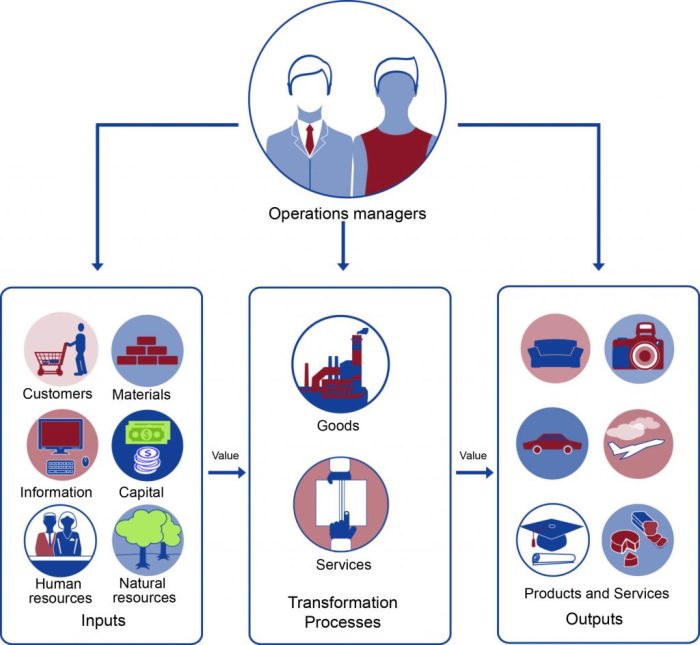
Effective IT operations rely on robust strategies and consistent best practices. A well-defined and executed IT operations strategy fosters efficiency, reduces downtime, and minimizes risks. These best practices are crucial for maintaining a stable and reliable IT infrastructure, ultimately impacting business performance and customer satisfaction.Implementing these best practices requires a proactive and adaptable approach, as technology evolves rapidly.
Continuous improvement is essential, ensuring the IT operations strategy remains aligned with current business needs and technological advancements. Organizations that prioritize and consistently apply these practices achieve significant operational advantages.
Designing an Effective IT Operations Strategy
A well-designed IT operations strategy is the foundation of success. It involves careful planning and execution, ensuring the IT infrastructure supports business objectives. This includes defining clear service level agreements (SLAs), identifying critical infrastructure components, and establishing a robust disaster recovery plan. Proper resource allocation and a detailed roadmap are crucial for the success of the strategy.
Implementing a Robust IT Operations Strategy
Implementation requires a phased approach. This involves detailed planning, careful resource allocation, and thorough communication. The team should be properly trained and empowered to execute the strategy effectively. It’s vital to establish clear communication channels between IT and other business units to ensure seamless integration. Continuous monitoring and adjustments are essential to maintain alignment with evolving business needs.
Maintaining an Effective IT Operations Strategy
Maintaining a successful IT operations strategy requires continuous vigilance and proactive management. Regular performance monitoring, security audits, and system updates are crucial. This includes implementing robust security protocols and ensuring staff training. Addressing potential vulnerabilities and adapting to technological advancements is paramount.
Importance of Continuous Improvement in IT Operations Management
Continuous improvement is critical for maintaining a competitive edge in the IT operations landscape. It involves regularly evaluating current practices, identifying areas for improvement, and implementing changes to enhance efficiency, reliability, and security. The use of metrics and KPIs is key for monitoring progress and identifying potential issues. This allows for a proactive approach to problem-solving, ultimately driving cost reduction and increased efficiency.
Examples of Successful IT Operations Management Implementations
Numerous organizations have successfully implemented IT operations strategies that have improved efficiency and reduced costs. For example, companies that have migrated to cloud-based infrastructure have often seen reduced capital expenditures and improved scalability. Companies that have implemented automation tools have often seen significant reductions in operational costs and increased efficiency.
Procedures for Conducting Regular Audits and Reviews
Regular audits and reviews are essential for maintaining a robust IT operations strategy. These procedures should include a detailed assessment of current processes, identification of areas for improvement, and recommendations for change. This process helps maintain alignment with best practices and ensures compliance with industry standards.
IT Operations Management Best Practices Table
| Best Practice | Description | Implementation Example |
|---|---|---|
| Proactive Monitoring | Continuous tracking of key performance indicators (KPIs) | Utilizing monitoring tools to detect and address potential issues before they impact operations. |
| Automated Processes | Automating repetitive tasks | Implementing scripting and automation tools to streamline routine tasks like patching and backups. |
| Security-Focused Design | Integrating security measures into all aspects of the strategy | Implementing multi-factor authentication, regular security audits, and vulnerability assessments. |
| Regular Audits | Systematic evaluation of processes and procedures | Conducting annual security audits, compliance audits, and infrastructure reviews. |
| Change Management | Implementing changes in a controlled and organized manner | Developing a formal change management process, including approvals and impact assessments. |
IT Operations Management in Different Environments
IT operations management is a crucial function in any organization, but its approach and challenges differ significantly depending on the environment where the IT infrastructure resides. Understanding these nuances is key to effectively managing resources and optimizing performance. A flexible and adaptable strategy is vital for success, regardless of whether the infrastructure is cloud-based, hybrid, or on-premises. Different environments require tailored solutions and specific skill sets.
Cloud Environments
Cloud environments offer scalability and flexibility, but unique management considerations arise. The shared responsibility model between the cloud provider and the customer requires careful planning and execution. Effective monitoring and security measures are paramount.
IT Operations Management, a deep dive, requires a strong foundation in technical skills. However, future-proofing your career also means understanding the rapidly evolving landscape of AI and data science, as seen in programs like Mba In Ai And Data Science The Future Of Business Education. This knowledge is crucial for effectively integrating these technologies into your IT operations strategies for optimal performance.
- Security Considerations: Cloud security is a shared responsibility. Organizations must understand their specific security obligations and ensure compliance with relevant regulations. Implementing robust access controls and regularly updating security configurations is critical.
- Cost Optimization: Cloud costs can fluctuate based on usage. Establishing clear resource allocation policies and monitoring consumption patterns is vital to avoid unexpected expenses.
- Vendor Lock-in: Migrating to a cloud environment can create dependencies on a specific vendor. Carefully evaluate vendor capabilities and explore options for portability.
- Performance Monitoring: Real-time performance monitoring is critical in cloud environments. This involves closely tracking metrics like latency, throughput, and resource utilization to identify potential bottlenecks or performance degradation.
Hybrid Environments
Hybrid environments combine on-premises and cloud infrastructure, presenting a unique set of operational challenges. Managing the integration between these distinct environments is a key aspect of effective IT operations management.
- Integration Complexity: Connecting on-premises and cloud systems often requires specialized integration solutions. Properly designing and configuring these integrations is essential to ensure seamless data flow and application functionality.
- Data Management: Hybrid environments often involve the movement of data between on-premises and cloud systems. Data governance policies and secure data transfer protocols are vital.
- Security in Hybrid Environments: Security considerations extend to the entire hybrid ecosystem, encompassing both on-premises and cloud components. A robust security strategy encompassing both environments is necessary.
- Maintaining Control: Organizations need to carefully define and maintain control over their hybrid IT landscape. A clear understanding of the roles and responsibilities for each component is critical.
On-Premises Environments
On-premises environments require a different approach, focusing on direct control and management. The emphasis shifts to hardware maintenance, software updates, and proactive troubleshooting.
- Hardware Maintenance: Regular maintenance and proactive troubleshooting of physical hardware are crucial for ensuring stability and performance. This includes tasks like server room temperature control, hardware updates, and preventive maintenance schedules.
- Software Updates: Keeping software up-to-date is vital for security and performance. A well-defined update process, including testing and rollback procedures, is essential.
- Security Infrastructure: On-premises environments require a robust security infrastructure to protect sensitive data and systems. Firewalls, intrusion detection systems, and access controls are vital components.
- Proactive Monitoring: Proactive monitoring of system performance and resource utilization is essential for preventing issues and ensuring optimal operation.
Challenges and Solutions
| Environment | Challenges | Solutions |
|---|---|---|
| Cloud | Security, cost optimization, vendor lock-in, performance monitoring | Security policies, resource management tools, vendor analysis, real-time monitoring |
| Hybrid | Integration complexity, data management, security, control | Integration platforms, data governance, comprehensive security strategy, clear control policies |
| On-Premises | Hardware maintenance, software updates, security, proactive monitoring | Maintenance schedules, update procedures, robust security infrastructure, proactive monitoring tools |
Metrics and Measurement in IT Operations Management
Tracking IT performance isn’t just about numbers; it’s about understanding the health and efficiency of your entire operation. Effective measurement allows for proactive adjustments, optimization, and ultimately, a more resilient and successful IT infrastructure. This section delves into the critical role of metrics in IT operations, focusing on practical application and tangible results.Accurate measurement provides a clear picture of IT operations performance.
This understanding is essential for identifying bottlenecks, predicting future needs, and making informed decisions about resource allocation. By establishing clear metrics, organizations can benchmark their performance against industry standards and strive for continuous improvement.
Key Performance Indicators (KPIs) for IT Operations
A robust set of KPIs provides a comprehensive view of IT performance. These metrics should be tailored to specific organizational needs and goals, encompassing factors such as service availability, response times, and user satisfaction.
- Service Level Agreements (SLAs): These agreements define the expected level of service for specific IT functions. Meeting or exceeding SLAs demonstrates the reliability and efficiency of the IT team, while exceeding them can establish a strong brand reputation.
- Incident Resolution Time: Tracking the time taken to resolve IT incidents is crucial for understanding the effectiveness of the support team and the impact on business operations. Faster resolution times contribute to improved productivity and customer satisfaction.
- Mean Time To Repair (MTTR): This metric measures the average time it takes to restore a failed system or service. Lower MTTR indicates a more efficient repair process, minimizing downtime and maximizing uptime.
- Mean Time Between Failures (MTBF): MTBF indicates the average time between failures of a system or component. A higher MTBF suggests a more reliable system and lower maintenance costs.
- User Satisfaction: Collecting feedback from users about their IT experience provides valuable insights into the effectiveness of IT services. Surveys, feedback forms, and user reviews are helpful methods to gauge satisfaction.
Measuring Effectiveness of IT Operations Strategies
Assessing the impact of IT strategies requires a combination of quantitative and qualitative measures. Quantifiable metrics, like those discussed above, provide hard data. Qualitative feedback from users, stakeholders, and internal teams helps gain a broader perspective on the strategy’s success.
- Cost Savings: Quantify the financial benefits resulting from implementing IT strategies. This could involve reduced hardware costs, optimized software licensing, or improved energy efficiency.
- Productivity Improvements: Track the impact of IT strategies on employee productivity. This may involve increased efficiency in workflow processes or faster access to crucial information.
- Security Posture: Regularly assess the security posture of the IT infrastructure. This includes monitoring for vulnerabilities, implementing security updates, and conducting penetration testing to identify potential risks.
Importance of Regular Performance Monitoring
Consistent monitoring allows for the identification of potential issues before they escalate into significant problems. This proactive approach minimizes downtime and ensures the smooth operation of IT services.
- Proactive Problem Resolution: Regular monitoring enables IT teams to address potential issues promptly. This helps prevent minor problems from escalating into major incidents.
- Improved Resource Allocation: Monitoring provides insights into resource utilization. This information helps in making informed decisions about resource allocation to optimize performance.
- Early Warning System: Performance monitoring acts as an early warning system, flagging potential problems before they impact users or business operations.
Role of Dashboards and Reporting Tools
Dashboards and reporting tools provide a centralized view of key IT metrics. They allow for real-time monitoring, trend analysis, and reporting, facilitating better decision-making and problem-solving.
- Real-time Monitoring: Dashboards provide real-time visibility into critical IT metrics, enabling immediate response to potential issues.
- Trend Analysis: Visualizations in dashboards help identify trends and patterns in IT performance over time. This helps predict future needs and proactively address potential issues.
- Reporting and Analysis: Reporting tools allow for comprehensive analysis of IT performance data, enabling the creation of detailed reports for stakeholders.
Common KPIs and Metrics
| KPI | Metric | Description |
|---|---|---|
| Service Level Agreement (SLA) Compliance | Percentage of SLAs met | Percentage of agreed-upon service levels achieved. |
| Incident Resolution Time | Average time to resolve incidents (in hours) | Average time taken to resolve IT incidents. |
| Mean Time To Repair (MTTR) | Average time to repair a system (in hours) | Average time to restore a failed system or service. |
| Mean Time Between Failures (MTBF) | Average time between failures (in hours) | Average time between system failures. |
| User Satisfaction | Average user satisfaction score (on a scale of 1-5) | Average score based on user feedback. |
Future Trends in IT Operations Management
IT Operations Management is constantly evolving, driven by rapid technological advancements. The future landscape will be shaped by the interplay of automation, artificial intelligence, cloud computing, and an ever-increasing focus on security. Understanding these trends is crucial for organizations to stay competitive and effectively manage their IT infrastructure.
Emerging Trends in IT Operations Management
The IT operations landscape is undergoing a significant transformation. Key trends include a shift toward automation and AI-powered tools, increased reliance on cloud computing, and heightened emphasis on proactive security measures. Organizations need to adapt to these shifts to ensure efficient and effective IT operations.
Impact of Automation and AI on IT Operations Management
Automation and AI are revolutionizing IT operations. AI-powered tools are increasingly used for tasks like predictive maintenance, incident resolution, and security threat detection. This automation reduces manual effort, minimizes errors, and improves efficiency. For instance, AI-powered systems can identify potential hardware failures before they occur, enabling proactive maintenance and avoiding costly downtime.
Role of Cloud Computing in Shaping the Future of IT Operations
Cloud computing is transforming IT operations by offering scalability, flexibility, and cost-effectiveness. Cloud-based solutions allow organizations to easily provision resources as needed, responding rapidly to fluctuating demands. This shift also allows for improved collaboration and remote access to data and applications. Furthermore, cloud computing fosters agility, enabling faster deployment of new applications and services.
Importance of Security in Future IT Operations Management
Security is paramount in the future of IT Operations Management. Cyber threats are becoming more sophisticated and frequent, requiring robust security measures. Organizations must implement advanced security technologies, such as multi-factor authentication, threat intelligence systems, and zero-trust architectures. Data breaches can have devastating financial and reputational consequences. Robust security strategies are vital for safeguarding sensitive information and maintaining customer trust.
Implementing security best practices is crucial for maintaining a strong security posture.
Potential Future Challenges and Opportunities in IT Operations Management
The future of IT operations presents both challenges and opportunities. Maintaining the security of complex cloud environments and ensuring data privacy are significant challenges. Organizations must invest in robust security measures to address these concerns. Furthermore, the need for skilled professionals in areas like AI and cloud computing is increasing. Organizations need to invest in training and development to build a skilled workforce.
The ability to adapt to these changing trends will define success in the future of IT operations. Opportunities include enhanced efficiency, reduced costs, and increased agility, allowing organizations to adapt quickly to changing market conditions.
Final Wrap-Up
In conclusion, IT Operations Management A Comprehensive Guide A Deep Dive has provided a thorough examination of the multifaceted nature of IT operations. We’ve explored the critical elements, from the people and processes to the tools and technologies, highlighting their interconnectedness in achieving business goals. By understanding the key performance indicators, best practices, and emerging trends, you can proactively optimize your IT operations.
This guide provides a framework for continuous improvement, enabling you to build a resilient and efficient IT infrastructure that supports your organization’s growth and success.